A failing sewer line rarely gives you much warning before it disrupts your whole household. When it happens, you generally have two paths forward: a trenchless repair that works through small access points, or a traditional repair that opens up the ground above the pipe. Each approach carries real trade-offs in cost, mess, timeline, and how long the fix will hold. This guide weighs the pros and cons side by side so you can compare your options with confidence.
Trenchless vs. Traditional Sewer Repair at a Glance
- Trenchless sewer repair fixes or replaces a pipe through small access points instead of a long open trench.
- The two main trenchless methods are pipe lining and pipe bursting.
- Traditional repair relies on excavation, which can cost less upfront but disrupts far more of your property.
- Both methods deliver comparable long-term durability, but trenchless often finishes in a day versus several days for a traditional dig.
- The right method depends on the type and severity of the damage, as confirmed by a camera inspection.
What Is Trenchless Sewer Repair?
Trenchless sewer repair is a family of techniques that restore a damaged sewer line without digging a continuous trench along its length. Instead of exposing the entire pipe, technicians work through one or two small access points, often an existing cleanout or a compact pit.
The result is sewer line repair without digging up your lawn, driveway, or hardscaping in most cases. It’s become a popular alternative for homes where excavation would mean tearing out mature landscaping or concrete.
How Does Trenchless Sewer Repair Work?
The process starts with a camera inspection that maps the exact location, depth, and nature of the damage. From there, the technician selects a method based on the condition of the existing pipe. Both approaches share the same goal of renewing the line while leaving the surrounding ground largely untouched. Understanding how each one works helps clarify when trenchless is the right call.
Pipe Lining vs. Pipe Bursting
The two workhorse trenchless methods solve different problems, and the choice between them comes down to how much of the original pipe is still usable. One reinforces the existing pipe from the inside, while the other replaces it entirely.
Sewer pipe lining (cured-in-place pipe): A resin-saturated liner is threaded into the old pipe and cured in place, forming a smooth new wall inside the original. It suits pipes that are cracked or leaking but still structurally sound.
Pipe bursting: A new pipe is pulled through the old one while a bursting head fractures the old pipe and pushes the fragments outward. It replaces pipes too broken or deteriorated to be relined, as long as the line can still be followed.
Trenchless vs. Traditional Sewer Repair: The Key Differences
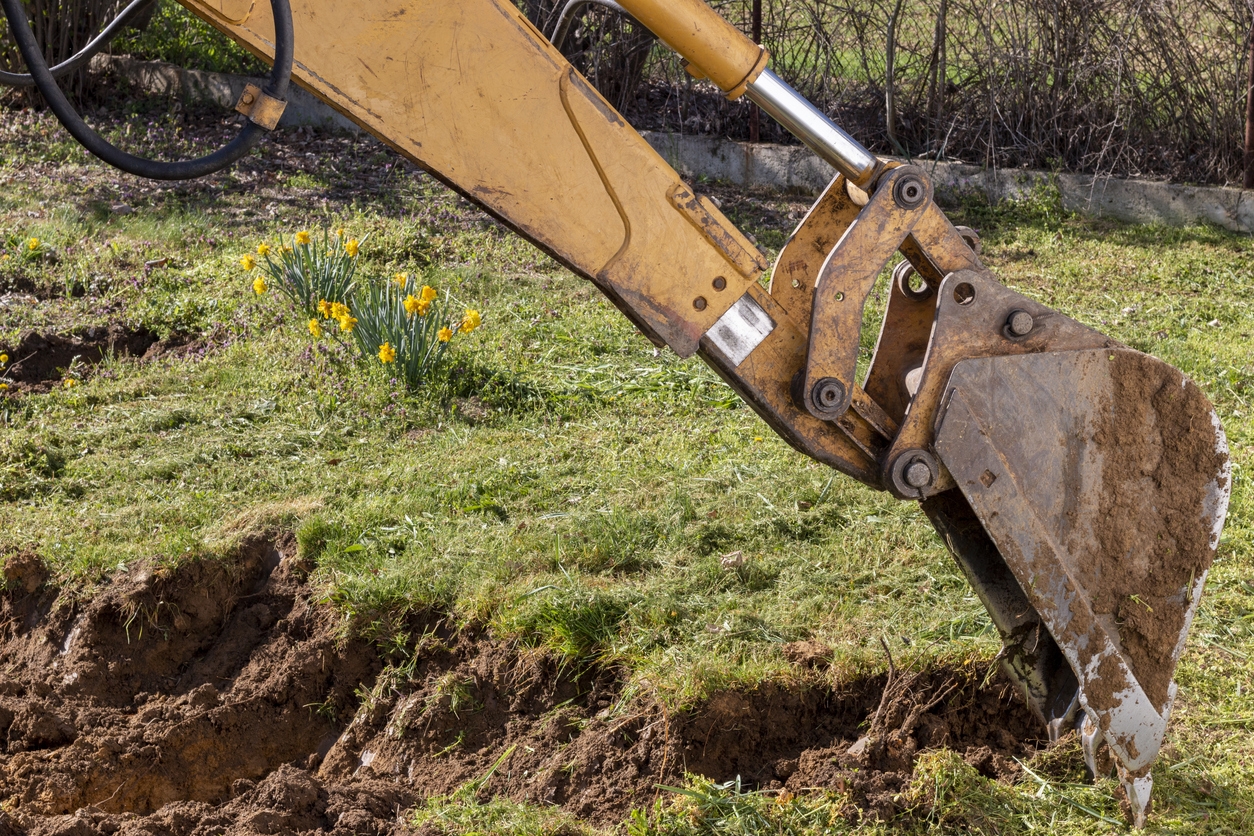
Traditional sewer repair, sometimes called open-cut or dig-and-replace, exposes the damaged section by excavating down to the pipe. It remains the right choice in certain situations, but it can affect far more of your property than a trenchless job.
Here’s how the two approaches compare at a glance:
- Trenchless repair: Little to no excavation, minimal yard and hardscape damage, and completion often within a single day. The upfront price runs higher, but restoration costs stay low.
- Traditional repair: Open excavation down to the pipe over several days, including backfilling. Material costs are lower, though landscaping or concrete restoration adds to the total.
Cost and Disruption
The upfront comparison can be misleading. Traditional excavation may look cheaper in terms of materials and equipment, but that advantage often shrinks once you restore the lawn, driveway, or patio that the dig has torn up. For San Jose homes with mature trees, decorative concrete, or tight side yards, avoiding that damage can be the deciding factor.
Timeline
Timeline is one of the clearest advantages of trenchless. Many trenchless repairs wrap up in a single day, while a traditional dig can stretch across several days once the crew excavates the pipe, replaces it, and backfills the trench. A faster job means less time with your water shut off and less disruption to your household.
Durability
Durability depends on the material that ends up in the ground, and both approaches leave behind something built to last decades.
Trenchless lining with cured-in-place pipe hardens a resin liner inside your existing sewer line, forming a smooth new pipe within the old one. That liner goes into the sewer lateral, the pipe that carries waste from your house out to the city main.
When properly installed, it has a minimum life expectancy of 50 years, according to the National Association of Sewer Service Companies (NASSCO). Traditional repair reaches a comparable lifespan in a different way—by digging out the old pipe and installing a brand-new PVC or HDPE line.
In a seismically active region like San Jose, pipe longevity is worth protecting, and our guide to post-earthquake sewer line repair explains how ground movement can stress a buried line. Whichever method fits your situation, the goal is the same: one properly installed repair you can count on for decades.
Which Method Fits Your Sewer Problem?
No single method wins every time, and the right call usually starts with what a camera inspection reveals inside your line. The type, location, and severity of the damage narrow the options, though access to the pipe, your budget, and any need to upsize the line also weigh into the final recommendation.
For a broader look at your choices, the homeowner's guide to sewer line repairs covers when a repair makes more sense than a full replacement.
Matching the Repair to the Damage
The scenarios below are among the most common reasons a San Jose sewer line needs work. Each one points toward the method that typically fits best, though only an inspection can confirm the right path for your specific line.
Cracks, Leaks, and Root Intrusion
- What goes wrong: The pipe is compromised by hairline cracks, separated joints, or roots that have worked their way through small openings.
- What it looks like: Slow drains, recurring backups, or patches of unusually lush grass along the sewer path.
- What to know: When the pipe still holds its shape, sewer pipe lining can seal these defects from the inside without excavation.
Collapsed or Badly Deteriorated Pipe
- What goes wrong: The pipe has crushed, sagged into a low spot, or lost so much wall thickness that there is nothing sound left to reline.
- What it looks like: Frequent whole-house backups, sewage surfacing in the yard, or a line that cameras cannot pass through.
- What to know: Pipe bursting can replace the line in place, though in some cases, a targeted excavation is still the most practical fix.
A Sewer Line Under Your Home's Slab
- What goes wrong: The damaged section runs beneath your foundation, where a traditional repair would mean breaking through concrete inside the house.
- What it looks like: Sewage odors indoors, backups at the lowest drains, or moisture problems near the slab.
- What to know: Trenchless methods can often repair a sewer line under a house without jackhammering the floor, which protects your foundation and living space.
The Bottom Line on Trenchless vs. Traditional Repair
Neither method is universally better, and the smartest choice always follows the evidence inside your pipe. Trenchless sewer line repair tends to win in terms of speed and minimizing disruption, but a collapsed line or a fix under your foundation may still call for a tailored approach.
The one constant is that a camera inspection should come before any decision, so you can assess the damage and choose the best repair method based on what's actually going on. With the right diagnosis, you can repair your sewer line once and count on it for decades.
Schedule Trenchless Sewer Repair in San Jose
Deciding between trenchless and traditional sewer line repair is easier with a licensed team that inspects the line first and lays out your options honestly. Rooter Solutions San Jose brings 30+ years of local experience, free estimates, and 24/7 emergency service to sewer work across the South Bay.
Reach out to schedule an inspection and find the right fix for your line.
 408-728-4978
  Leave a Review