
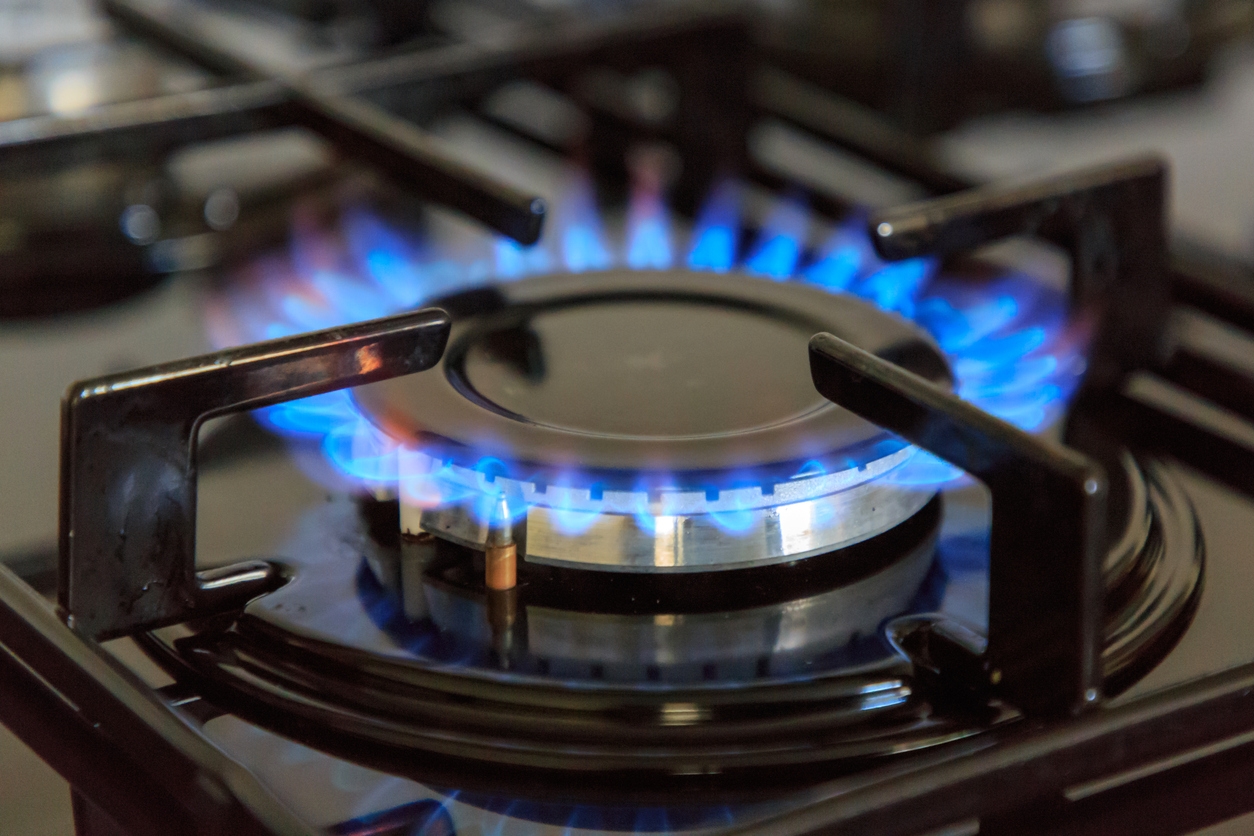
That faint whiff of rotten eggs near your stove is not something to brush off. Natural gas powers water heaters, furnaces, stoves, and dryers in homes across San Jose, and while it’s safe when everything works correctly, a leak can turn dangerous fast. Knowing what a gas leak smells like, what other signs to watch for, and exactly what to do next can protect your household. This guide walks through the warning signs and the steps that keep everyone safe.
At a Glance: What Homeowners Should Know About Gas Leaks
- Natural gas is odorless on its own, so utilities add sulfur-based compounds to give it a rotten-egg smell that signals a possible leak.
- Smell is not foolproof, so watch and listen for other signs, such as hissing sounds, blowing dirt, bubbling water, and dying plants.
- A leak can make people and pets feel sick, with symptoms like headaches, dizziness, nausea, and trouble breathing.
- A suspected gas leak is an emergency: leave immediately, avoid anything that could spark, then call 911 and PG&E from a safe distance.
- After the utility secures the meter, a licensed plumber can find and repair the gas line safely and to code.
What a Gas Leak Smells Like
Natural gas is naturally colorless and odorless, so on its own, you would never notice it escaping. To make leaks easy to detect, gas utilities odorize it with sulfur-based compounds, which produce that unmistakable sulfur odor.
Most people describe it as rotten eggs, a struck match, or something sour and skunky. If that smell turns up near an appliance or anywhere in your home, treat it as a possible leak.
Can You Always Smell a Gas Leak?
Not always, which is why smell alone isn’t a reliable safeguard. A cold, allergies, age, or simply being around the odor long enough can all dull your ability to detect it. With some underground leaks, soil can even filter out the added scent before it reaches you.
Because your nose can miss a leak, it’s recommended to install a UL-listed natural gas detector, which adds a layer of protection that doesn’t depend on smell. It also helps to know the other warning signs a leak can produce.
Other Warning Signs of a Gas Leak
A leak often reveals itself through sound, sight, and how you physically feel. Paying attention to these clues can help you catch a leak that the smell alone might not reveal. Here’s what to look and listen for.
Sounds You Might Notice
- What goes wrong: Gas escaping under pressure from a line or fitting makes noise as it forces its way out.
- What it sounds like: A hissing, whistling, or roaring sound coming from a gas appliance, a wall, or the ground outside.
- What to know: A hissing sound paired with the smell of sulfur is a strong signal to leave and call for help right away.
Things You Might See
- What goes wrong: Escaping gas disturbs the area around the leak, especially with underground or outdoor lines.
- What it looks like: Dirt or dust blowing from a spot in the ground, bubbling in standing water, or dead and dying plants in an otherwise healthy, moist area.
- What to know: These outdoor clues often point to a buried line problem that needs professional attention.
How a Leak Can Make You Feel
- What goes wrong: A gas leak can displace oxygen in the air, and breathing it in affects the whole body.
- What it looks like: Headaches, dizziness, nausea, fatigue, trouble breathing, or irritated eyes and throat.
- What to know: If several people or pets in the home feel unwell at the same time and improve once outside, a leak is a real possibility.
How Dangerous Is a Gas Leak?
A gas leak carries two serious risks. First, natural gas is highly flammable, so even a small spark near a buildup can cause a fire or explosion. Second, gas can displace oxygen in an enclosed space, which is what leads to the physical symptoms above and, at high levels, can become life-threatening. The danger grows the longer a leak goes unaddressed, which is why quick action matters.
Staying ahead of trouble helps too. Having a licensed plumber inspect your gas appliances on a regular schedule is one of the simplest ways to catch a developing problem before it becomes dangerous.
What to Do if You Smell Gas in Your House
A suspected gas leak is an emergency, and your first priority is getting everyone out. Leave the home immediately with all people and pets, and leave doors open as you go if it’s safe to do so.
Since any spark can ignite the gas, do not:
- Flip light switches
- Unplug anything
- Use a phone
- Light a match
- Start a vehicle
Once you are a safe distance away, call 911, then call your gas provider; in San Jose, that’s PG&E at 1-800-743-5000. Don’t go back inside until crews confirm it’s safe.
Where Is the Gas Shut-Off Valve Located?
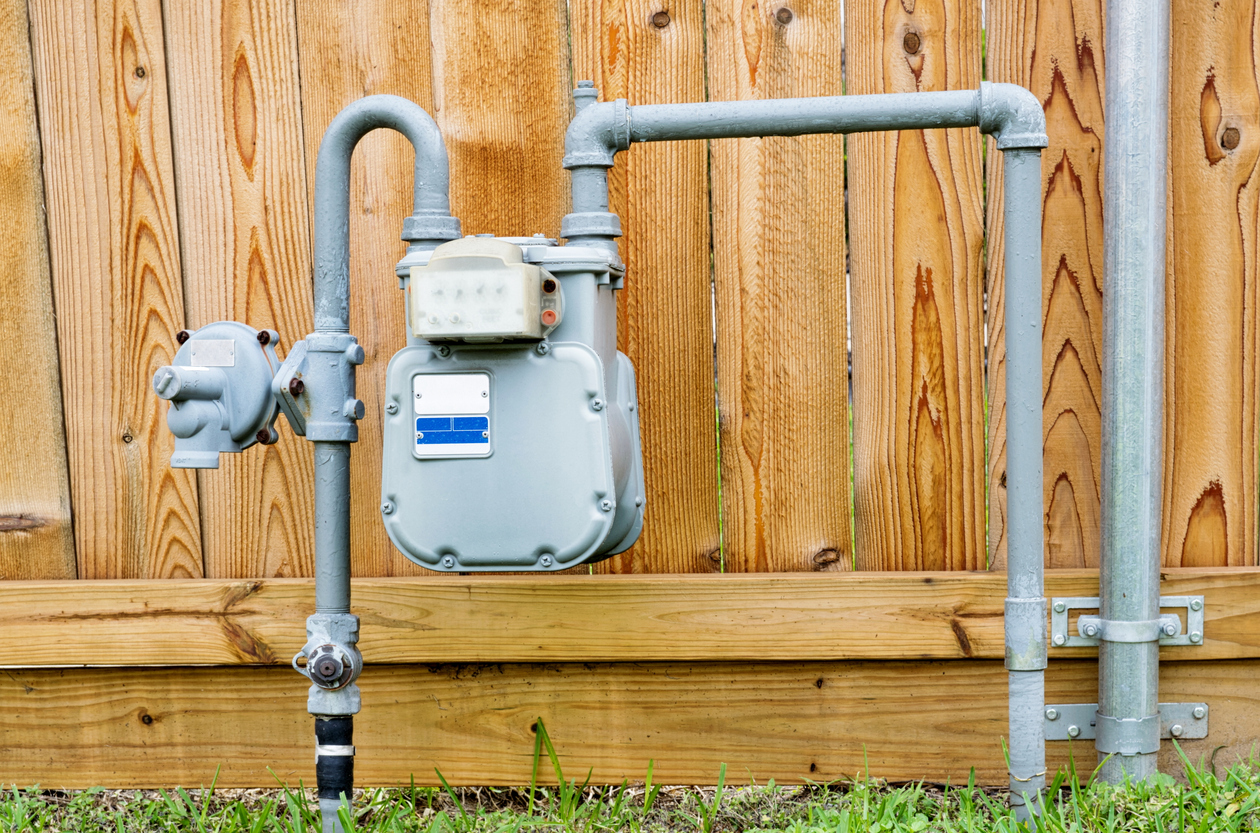
Your main gas shut-off valve sits next to the gas meter, usually on the side or front of the home. It’s worth knowing where yours is before an emergency ever happens. That said, if you smell gas, the safest move is to leave and call for help rather than stay behind to reach the valve. Once the gas is shut off at the meter, it should only be turned back on by the utility or a qualified professional after a full safety check.
Can a Plumber Fix a Gas Leak?
Once the immediate danger is addressed and the utility has secured the meter, a licensed plumber can diagnose and repair the gas lines that run through your home to appliances like your water heater, stove, and furnace. That same gas connection can be behind many common water heater problems, which is why they call for a professional rather than a DIY fix.
Why Gas Leaks Happen
Leaks happen for several reasons, including aging pipes, pressure buildup, shifting soil, tree root intrusion, or improper installation. A professional pinpoints the exact cause, makes the repair to code, and confirms the system is safe before gas service returns.
Because gas work carries real risk, this is never a job to take on yourself. Installing a gas appliance like a water heater in San Jose is held to the same high standards, with the gas line connections and venting reviewed all the way through final inspection.
Staying Safe When You Suspect a Gas Leak
A gas leak is one of those problems where acting quickly makes all the difference. Trust your senses, and watch for the sounds and physical signs that back up what your nose is telling you. Getting everyone to safety and calling for help always comes first, and professional repair comes right after.
Schedule Gas Line Repair or Replacement With Rooter Solutions in San Jose, CA
If you suspect a gas leak in your San Jose-area home, get everyone to safety and call for emergency help first. Once your home is secure, the licensed team at Rooter Solutions San Jose is ready to find and repair your gas line with honest, community-focused service backed by more than 30 years of experience.
Reach out online to schedule service or request a free estimate. Licensed and insured, CSLB #1101015.

 408-728-4978
  Leave a Review