A sewer line problem raises an urgent question before the first tool comes out: who actually owns the pipe, and who pays to fix it? In San Jose, the answer depends on which section of the line has failed and where your property connects to the public system. The split between city responsibility and homeowner responsibility isn’t always obvious, and getting it wrong can cost you time and money.
This guide explains where the line divides, so you know what falls on your side.
At a Glance
- The city maintains San Jose's sanitary sewer main lines, the large public pipes running beneath the street.
- Your sewer lateral, the pipe carrying wastewater from your home to that main, is your responsibility.
- The city maintains only the lower portion of the lateral, and only as a courtesy when an approved property line cleanout is installed.
- Without an approved cleanout, the entire lateral from house to main is the property owner's to maintain and repair.
- Standard homeowners insurance often excludes buried sewer lateral damage, though some insurers offer optional service line coverage.
- A professional camera inspection is the clearest way to catch problems on your side of the line early.
What is a Sewer Lateral?
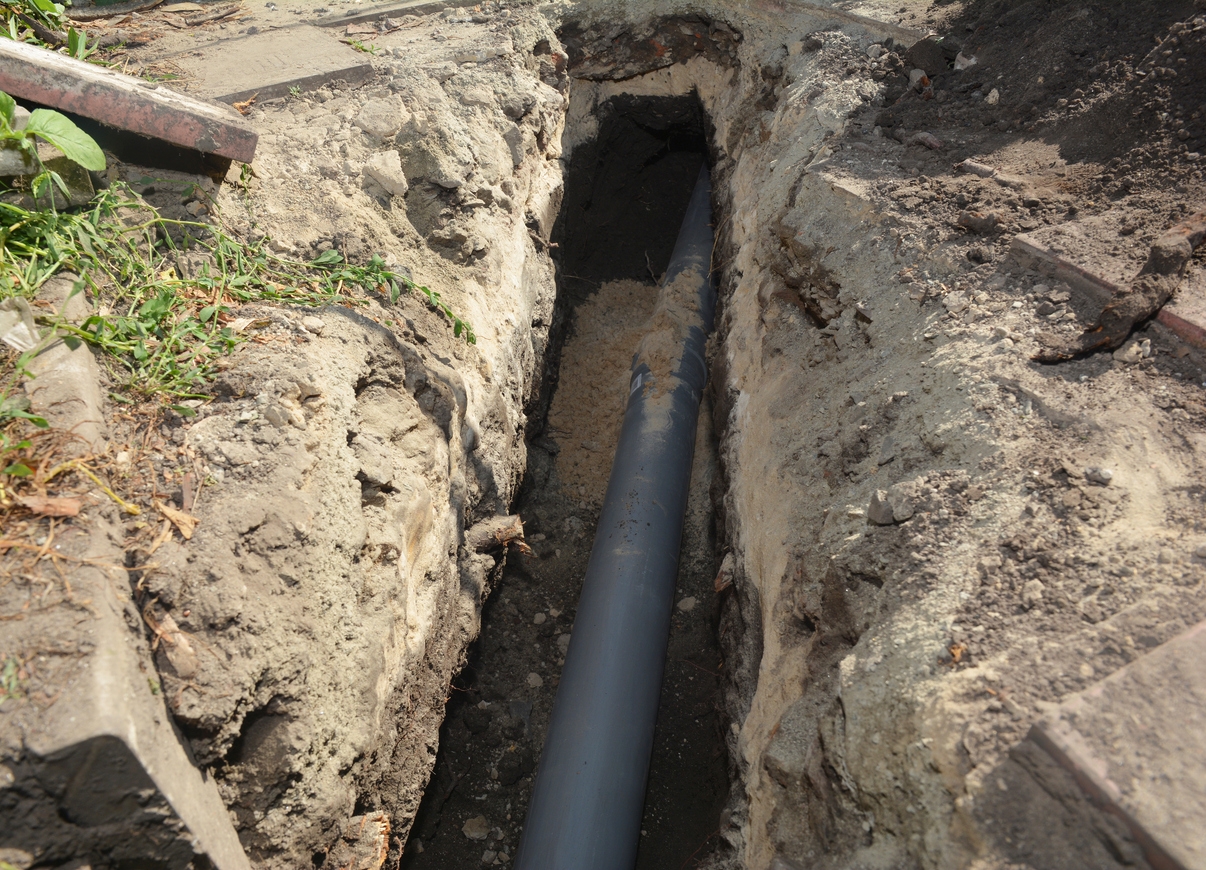
Before you can sort out responsibility, it helps to know the parts of the system. A sewer lateral is the underground pipe that carries wastewater from your home to the public sewer main under the street. That’s the plain meaning of the term: your private connection to the shared municipal line. Most laterals are three to four inches wide and made of clay, cast iron, or plastic, depending on the age of the home.
Upper Lateral vs. Lower Lateral
The lateral has two segments that matter for responsibility. The upper lateral runs from your home to roughly the edge of your property. The lower lateral continues from there to the connection at the public main in the street. A dividing point, usually marked by a cleanout—a capped access pipe that opens the line for service—separates the two and sets the boundary for who maintains each part.
Who is Responsible For the Sewer Line From Your Home?
Here’s where private sewer versus public sewer becomes concrete. The city maintains the sanitary sewer main lines, the public pipes beneath the street, and repairs damage or spills caused by a blocked main. Your lateral, however, is private property. According to the City of San José, the property owner is responsible for maintaining the entire lateral.
As a courtesy, the city will maintain the lower portion of the lateral, but only if you have an approved property line cleanout installed. That cleanout is what gives city crews a way to reach the lower section from the street side. If your property has one, the city will clear that stretch from the cleanout out to the main. If it doesn’t, the entire lateral is your responsibility, including the part beneath the street.
In short, the city's sewer line responsibility for the lower section is conditional, not automatic. This distinction is the heart of the question, and the part homeowners most often misunderstand.
The Property Line Cleanout and Why It Matters
Because the cleanout is what makes the city's courtesy maintenance possible, it’s worth knowing whether your property actually has an approved one. The City of San José points homeowners without an approved cleanout to a licensed plumber to install one, or to its Department of Transportation for the details and fee.
An approved cleanout is a capped fitting placed near the property line, but confirming it meets the city's standard isn’t always something you can tell by looking. A licensed plumber can locate your cleanout, confirm whether it qualifies, or install one if your property doesn’t have it.
Who is Responsible For a Broken Sewer Pipe or Backup?
Maintenance is one thing; a broken pipe or a backup is another.
When a sewer pipe on your lateral cracks, collapses, or clogs, responsibility for the repair generally follows the same boundary. If the failure is on your lateral, the cost of repair or replacement is yours, not the city's.
Sewer backup city responsibility can be hard to determine from inside the home, because the symptoms look the same wherever the blockage sits. That’s why the location of the problem, not just its existence, decides who pays. A licensed plumber can identify whether the issue falls on the public or the private side. Pinpointing that boundary early is what protects you from paying for a repair that was never yours to cover.
Depending on the damage, your sewer line can often be restored with minimal digging rather than a full dig-up, so it helps to know the trade-offs. Our San Jose guide to trenchless and traditional repair breaks down the cost, timeline, and disruption of each.
How Sewer Line Insurance Coverage Works
Insurance adds another layer to the responsibility question. Standard homeowners policies often exclude damage to buried sewer laterals, especially when the cause is age, wear, or root intrusion. Some insurers offer optional service line coverage that can help with excavation and pipe repair costs. Because terms vary widely, it’s worth reviewing your specific policy before a problem forces the question.
How can a camera inspection help you stay ahead?
Because most of your lateral runs underground, problems are often hidden until they surface as slow drains or backups. A camera inspection sends a small, waterproof camera through the line to show its condition on a live video feed.
For the portion of the line that’s your responsibility, that view turns guesswork into evidence. It also helps confirm whether a suspected issue sits on your side of the boundary or the city's.
Common Sewer Lateral Problems on Your Side of the Line
The failures that most often force a sewer repair sit on the private lateral, the section you are responsible for. On older San Jose properties, aging pipe and ground movement leave that stretch especially vulnerable.
The breakdowns below cover what tends to go wrong underground and why each matters when the pipe is yours to maintain.
| Problem | What Goes Wrong | What It Looks Like | What to Know |
|---|---|---|---|
| Tree Root Intrusion | Roots from San Jose's mature street trees seek moisture and work into pipe joints and small cracks. | Slow drains, gurgling, or repeat clogs that return soon after clearing. | Root intrusion worsens over time and can crack or fully block a lateral if left unaddressed. |
| Cracked or Broken Pipe | Aging clay or cast iron laterals grow brittle and can crack, especially at the joints. | Soggy spots in the yard, foul odors outside, or a drop in drainage speed. | A small crack can widen into a break or full collapse, turning a repair into a replacement. |
| Bellied or Sagging Pipe | Shifting or settling soil can create a low spot, or belly, where the pipe sags and holds waste. | Recurring blockages in the same section and standing water that won't clear. | A belly rarely corrects itself and usually needs professional repair to restore proper flow. |
Knowing Where Your Responsibility Begins
In San Jose, the dividing line between your responsibility and the city's comes down to your lateral and whether an approved cleanout is installed. Understanding that boundary before a problem hits means you can act quickly and avoid paying for the wrong side of the pipe. A professional inspection is the surest way to know the condition of your line and where any issue actually sits.
Schedule Your San Jose Sewer Line Inspection With Rooter Solutions San Jose
Knowing what falls on your side of the line is far easier with a clear look inside your pipes. The licensed team at Rooter Solutions San Jose provides sewer line camera inspections, repairs, and replacements across San Jose and the surrounding South Bay communities.
With more than 30 years of experience, free estimates, and 24/7 emergency service, we help homeowners stay ahead of costly surprises. Contact us today to schedule your inspection and get answers about your sewer line.

 408-728-4978
  Leave a Review